
A Comprehensive Agronomic Strategy for Modern Climate Stress Management
Modern agriculture is increasingly challenged by unstable climate patterns, including prolonged rainfall, high humidity, low light intensity, and sharp diurnal temperature fluctuations. These stress conditions significantly disrupt crop physiological balance, leading to weakened root systems, elevated disease pressure, reduced nutrient uptake efficiency, and overall growth suppression. In this context, high-activity seaweed oligosaccharides have emerged as a next-generation agronomic input, offering a fundamentally different approach from conventional nutrition-based fertilizers. Rather than simply supplying nutrients, seaweed oligosaccharides function as biostimulant signaling molecules, activating the plant’s intrinsic defense and adaptation systems.
By regulating endogenous signal transduction pathways, they enhance crop resilience, improve physiological recovery capacity, and enable plants to maintain stable growth under adverse environmental conditions.
Wellyou Tech integrates seaweed oligosaccharide technology into a systematic crop management framework designed for full-season, multi-crop application under extreme weather stress.
1. Solanaceous Crops: Seaweed Oligosaccharides + High-Phosphorus & Potassium Program
Crops such as tomato, pepper, eggplant, and cucumber are highly sensitive to continuous rainfall and high humidity, often exhibiting root suffocation, chlorosis, flower drop, and poor fruit set.
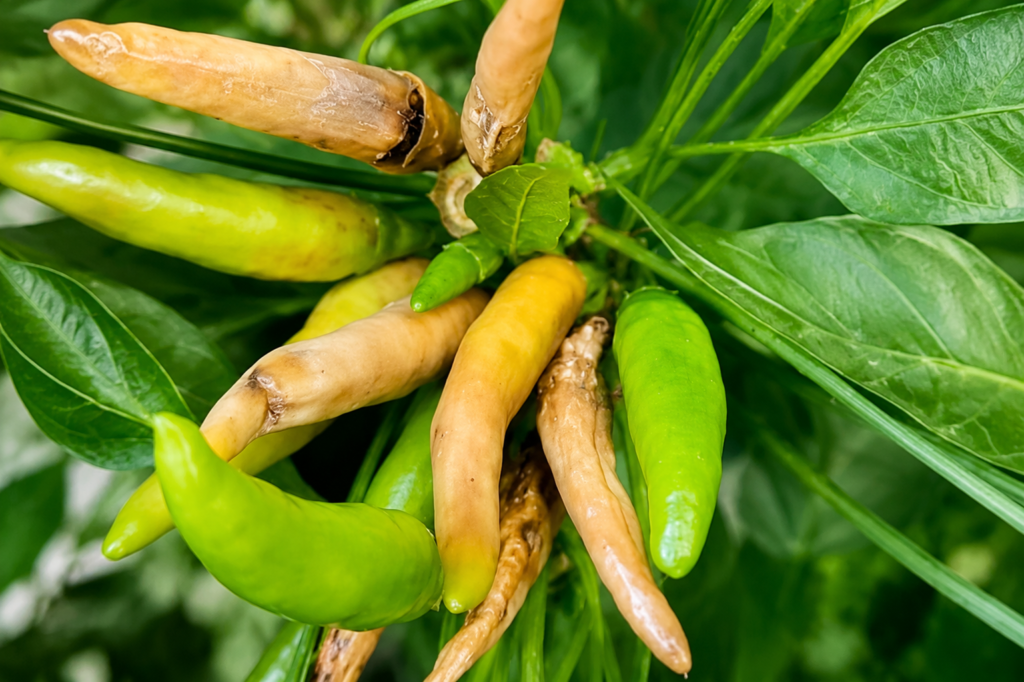
Integrated Strategy of Seaweed oligosaccharides: Root Zone + Foliar Synergy
Soil Application (Root Zone):
Seaweed oligosaccharides combined with balanced or high-potassium water-soluble fertilizers (5–10 kg per application) significantly stimulate lateral root formation, improve root respiration, and enhance flower bud differentiation quality.
Foliar Application:
Seaweed oligosaccharides combined with potassium dihydrogen phosphate or amino acid-based foliar fertilizers enhance photosynthetic efficiency, stabilize pollen fertility, and reduce fruit drop under prolonged cloudy and rainy conditions.
Outcome:
Improved root vigor, enhanced reproductive stability, and higher fruit retention under climatic stress.
2. Leafy Vegetables: Seaweed Oligosaccharides + Secondary & Micronutrient Optimization
Leafy crops such as lettuce, spinach, and Chinese cabbage are particularly vulnerable to high humidity environments, where slow growth, thin leaf structure, and downy mildew incidence are common.
Key Nutritional Synergy: Ca–B–Zn Reinforcement
A foliar system combining seaweed oligosaccharides + calcium (Ca), boron (B), and zinc (Zn) is recommended.
- Strengthens cell wall integrity
- Enhances structural leaf density
- Improves disease resistance mechanisms
- Reduces soft rot and marginal necrosis
Additionally, seaweed oligosaccharides promote chlorophyll synthesis, resulting in deeper leaf coloration and improved marketable quality.
3. Fruit Trees: Critical Application in Fruit Set and Expansion Phases
In perennial fruit crops, alternating rainfall and temperature fluctuations often lead to fruit cracking, poor coloration, delayed ripening, and root system decline.
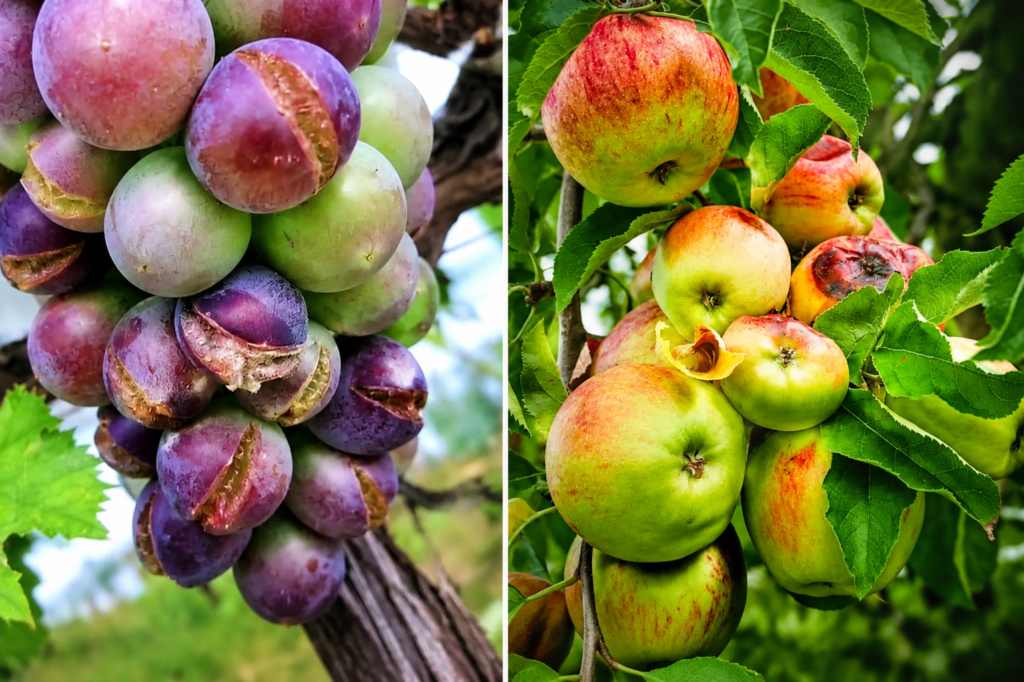
Dual-Phase Management Strategy
Soil Improvement Program:
Seaweed oligosaccharides combined with humic substances, rooting promoters, or mineral potassium fulvate to improve soil aeration and restore root vitality.
Foliar Nutrition Program:
Combined application with calcium fertilizers, phosphorus-potassium formulations, and brassinosteroids enhances:
- Fruit enlargement rate
- Anti-cracking capacity
- Color uniformity
- Stress recovery efficiency
Result:
A synchronized “root–canopy–fruit” regulatory system supporting stable yield and quality improvement.
4. Field Crops (Rice & Maize): Lodging Resistance and Yield Stability
In cereals such as rice and maize, prolonged rainfall often causes shallow root systems, excessive vegetative growth, and increased lodging risk.
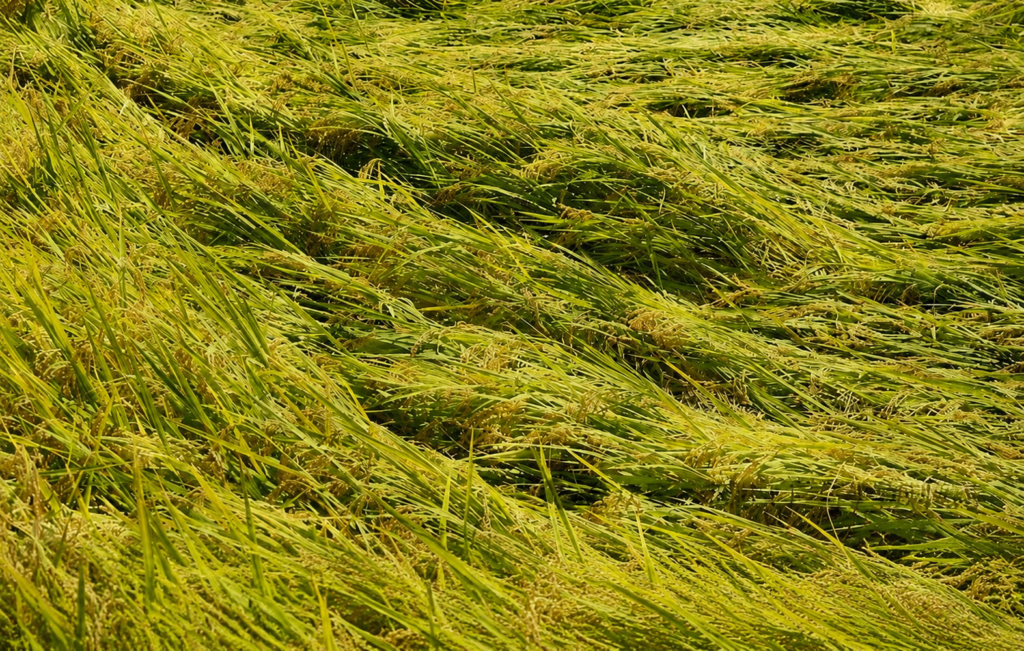
Growth Stage Applications
Recommended application at:
- Tillering stage
- Jointing stage
- Pre-heading / flowering stages
Functional Synergy
When combined with zinc (Zn) and silicon (Si) fertilizers, seaweed oligosaccharides:
- Strengthen stem structural rigidity
- Improve lodging resistance
- Enhance carbohydrate accumulation
- Optimize grain filling and reduce empty grain rate
Outcome:
Improved structural stability and higher yield consistency under adverse weather.
5. Seaweed Oligosaccharides + Fungicide Compatibility System
During high disease-pressure periods, seaweed oligosaccharide demonstrate strong synergy with fungicidal programs.
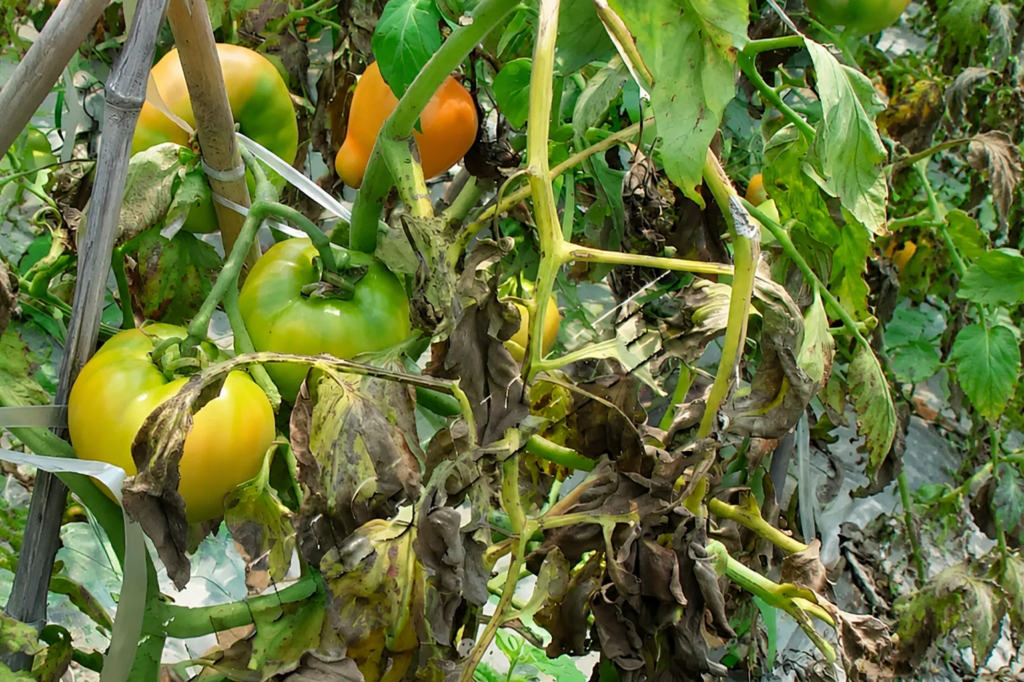
Due to their induced systemic resistance (ISR)-like activity, they enhance plant immune responsiveness and improve the efficiency of chemical crop protection agents.
Compatible active ingredients include:
- Mancozeb
- Azoxystrobin
- Dimethomorph
- Fluopicolide / propamocarb-based formulations
Recommended Application Strategy
- Early infection stage: Seaweed oligosaccharides + protective fungicides
- Disease expansion stage: Seaweed oligosaccharides + systemic/curative fungicides
Key Benefits:
- Improved disease control efficiency
- Reduced phytotoxic stress
- Accelerated physiological recovery
- Lower chemical burden on crops
6. A Season-Long Climate Resilience Strategy
Under the current global trend of frequent extreme weather events—high humidity, prolonged rainfall, heat stress, and unstable light conditions—seaweed oligosaccharides should not be viewed as a corrective input alone.
Instead, Wellyou Tech recommends integrating seaweed oligosaccharides as a continuous crop management standard throughout the entire growth cycle.
Regular low-dose application helps maintain:
- Stable metabolic activity
- Elevated immune readiness
- Improved stress buffering capacity
- Balanced vegetative and reproductive growth
This proactive approach enables crops to maintain performance stability across variable environmental conditions, ultimately achieving the integrated objectives of:
Yield stability | Quality improvement | Stress tolerance | Reduced pesticide dependency
About Wellyou Tech
Wellyou Tech specializes in advanced agronomic solutions, focusing on biostimulants, plant nutrition systems, and climate-resilient crop management technologies. With a strong emphasis on field performance and formulation innovation, we provide tailored solutions for global distributors and growers facing modern agricultural challenges.