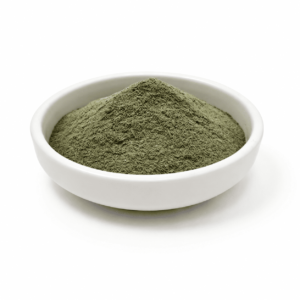
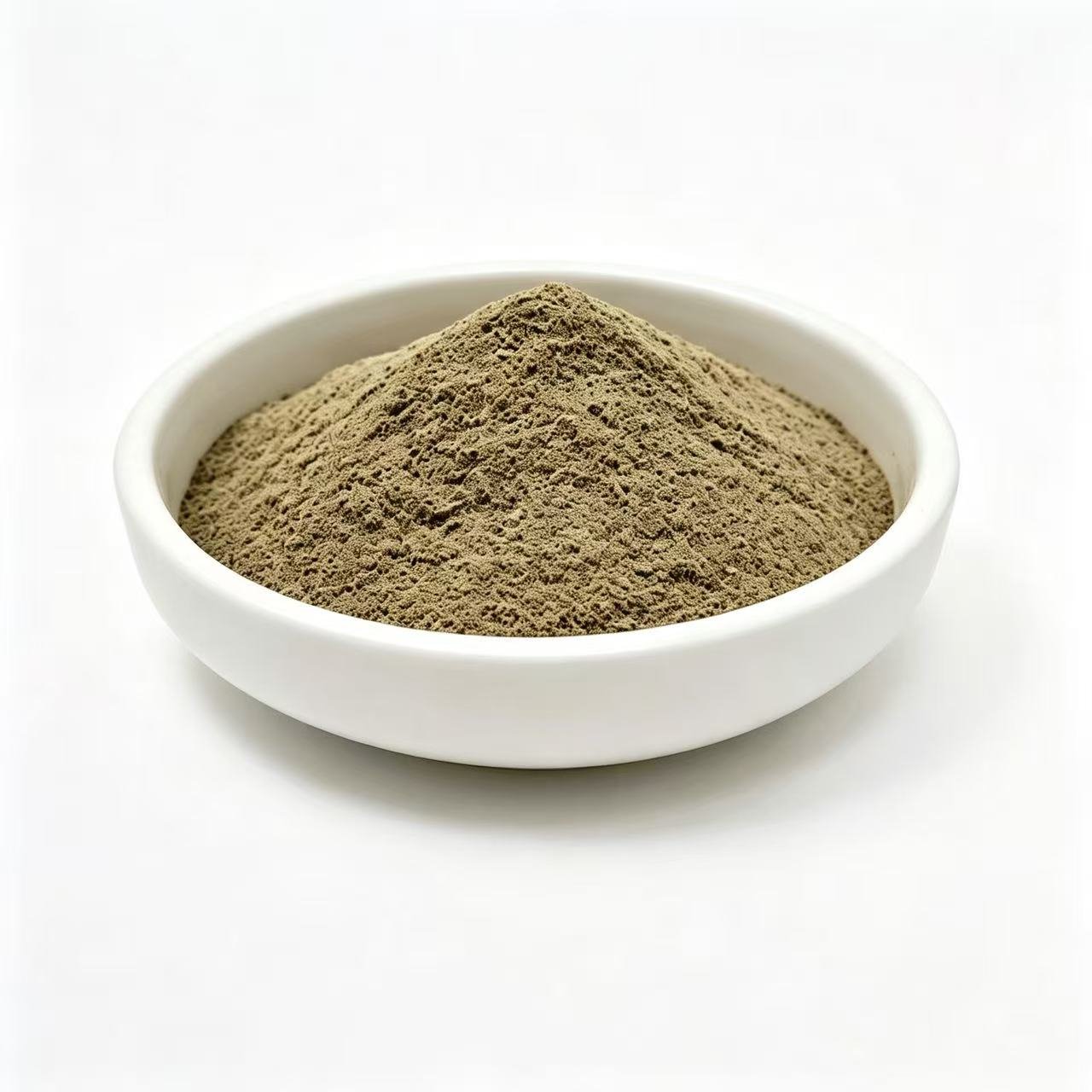
Microbial Compound Inoculant is a multi-strain biological product formulated with beneficial microorganisms, including Bacillus subtilis, Bacillus amyloliquefaciens, and Trichoderma harzianum. Through the synergistic action of different beneficial microbes, this product helps improve soil microbial balance, suppress harmful pathogens, and support healthier root development.
As an environmentally friendly microbial solution, it is widely used in sustainable agriculture, integrated crop management, and modern farming systems to reduce reliance on chemical inputs and maintain long-term soil productivity.
Product Composition
| Active Microorganisms | Viable Count |
|---|---|
| Bacillus subtilis | ≥ 2.0 × 10⁸ CFU/g |
| Bacillus amyloliquefaciens | ≥ 1.0 × 10⁸ CFU/g |
| Trichoderma harzianum | ≥ 1.0 × 10⁸ CFU/g |
| Total viable count | ≥ 4.0 × 10⁸ CFU/g |
Key Benefits of Microbial Compound Inoculant
1. Multi-Functional Biological Disease Control
The combination of Bacillus species and Trichoderma provides broad-spectrum biological protection against soil-borne pathogens.
It helps prevent and manage diseases caused by harmful fungi and bacteria, including:
- Fusarium wilt
- Root rot
- Damping-off
- Rhizoctonia diseases
- Pythium diseases
- Phytophthora-related diseases
- Other soil microbial imbalances
2. Synergistic Action of Multiple Beneficial Microorganisms
Bacillus subtilis & Bacillus amyloliquefaciens
- Produce natural antimicrobial substances
- Compete with harmful microorganisms for nutrients and space
- Improve rhizosphere microbial balance
- Support stronger plant growth
Trichoderma harzianum
- Colonizes the root zone rapidly
- Suppresses pathogenic fungi through biological mechanisms
- Helps maintain a healthy root environment
- Promotes root development and plant vitality
Mode of Action
Microbial Compound Inoculant works through multiple biological pathways:
- Colonization of the rhizosphere
- Competition against harmful microorganisms
- Production of beneficial enzymes and metabolites
- Improvement of soil microbial diversity
- Enhancement of plant resistance to environmental stress
Product Specifications
| Item | Specification |
|---|---|
| Formulation | Powder |
| Moisture Content | ≤ 35% |
| Fineness (0.18 mm sieve) | ≥ 80% |
| pH | 5.5 – 8.5 |
| Mold & Contaminating Bacteria Count | ≤ 3.0 × 10⁶ CFU/g |
| Contamination Rate | ≤ 20% |
| Fecal Coliforms | ≤ 100/g |
| Ascaris Egg Mortality Rate | ≥ 95% |
Application Areas of Microbial Compound Inoculant
It is suitable for a wide range of crops, including:
- Vegetables
- Fruits
- Field crops
- Greenhouse crops
- Nursery plants
- Ornamental plants
It can be applied through:
- Soil application
- Root drenching
- Irrigation systems
- Fertigation programs
Why Choose Microbial Compound Inoculant?
- Multi-strain microbial formulation for comprehensive soil management
- Combines Bacillus and Trichoderma advantages
- Supports beneficial soil microorganisms
- Helps control soil-borne diseases naturally
- Suitable for sustainable and eco-friendly agriculture
- Compatible with integrated crop management systems
Microbial Compound Inoculant provides a reliable biological approach to improving soil health, protecting plant roots, and supporting sustainable crop production.